infocareer@admn
- Posted on
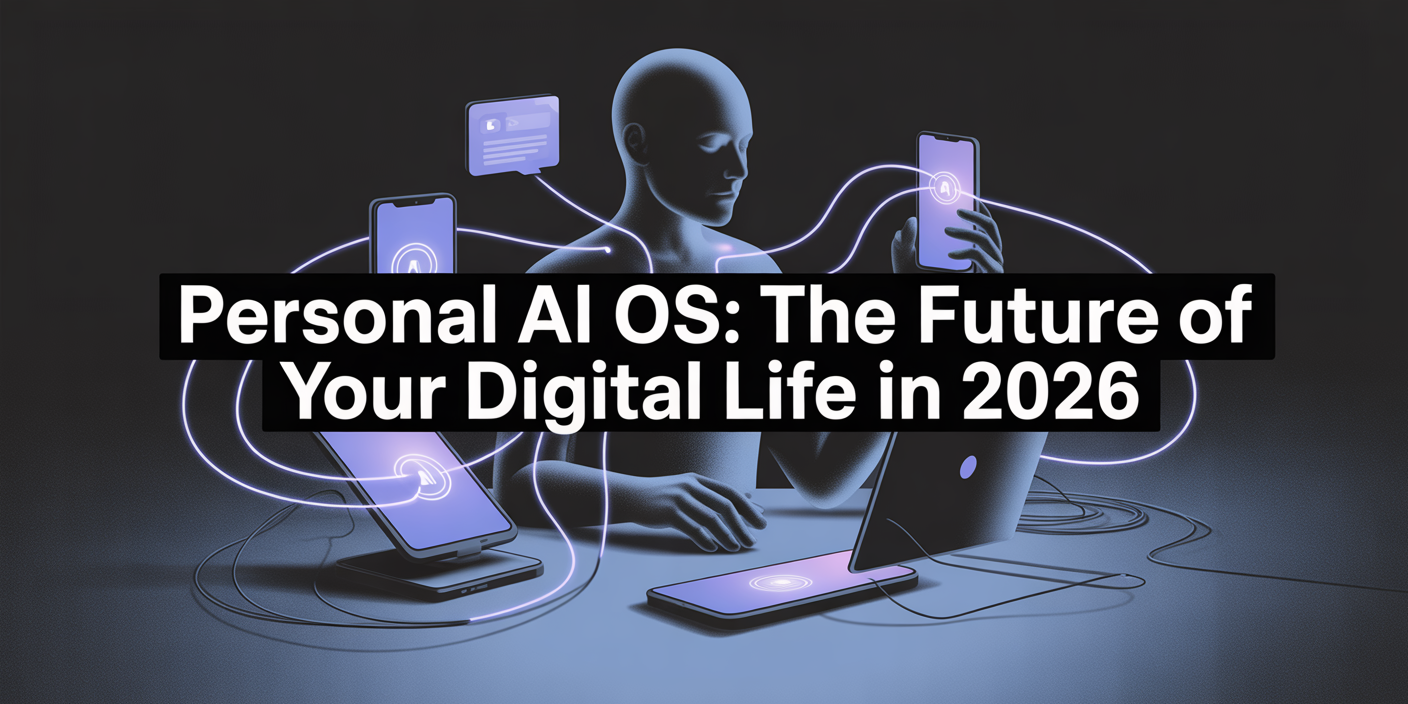
As we step into 2026, the way we interact with technology has fundamentally shifted from reactive clicking to proactive partnership. The Personal AI OS is no longer a futuristic concept; it is the central nervous system of our modern digital existence. Unlike traditional operating systems that simply manage files and launch apps, a Personal AI OS understands your intent, manages your context, and automates your life across every device you own.
What is a Personal AI OS and Why Does It Matter?
A Personal AI OS represents the evolution of the operating system from a “platform for apps” to an “orchestrator of intelligence.” In 2026, the global shift is moving away from “App-Centric” computing to “Agent-Centric” workflows.
While Windows and macOS focused on managing hardware resources, a Personal AI OS focuses on managing your cognitive resources. It utilizes a “Personal LLM” that lives on your device, ensuring that your data stays private while remaining instantly accessible to your AI agents. According to the 2026 Microsoft Tech Outlook, AI is evolving from a tool into a partner, fundamentally transforming how we solve problems.
The Rise of Agentic Workflows
The most significant feature of a Personal AI OS in 2026 is the implementation of agentic workflows. In previous years, you had to prompt an AI for every single task. Now, your operating system uses “Autonomous Agents” that can plan, reason, and execute multi-step goals without constant supervision.
For instance, if you tell your Personal AI OS, “Organize my business trip to London,” it doesn’t just show you flights. It checks your calendar for meeting times, cross-references your airline loyalty points, books the flight, reserves a hotel near your office, and even schedules “focus time” in your calendar for the jet-lagged morning after. This level of autonomy is what separates a true AI-driven operating system from a simple voice assistant.
Key Benefits of the AI-Driven Operating System
The shift to a Personal AI OS brings three major advantages to the everyday user:
- Contextual Memory: Your OS now remembers everything you’ve seen, read, or said across all platforms.
- Proactive Orchestration: The OS anticipates your needs—like pre-loading your most-used apps before you even sit down at your desk.
- Privacy-First Design: By 2026, “Edge AI” has become the standard. Most of the heavy lifting happens locally on your chip.
The Top Personal AI OS Contenders in 2026
Whether you are looking for deep integration or a sovereign model, there is a Personal AI OS built for your needs:
- Microsoft “Windows Intelligence”: A total reimagining of Windows where every file is a data point for a local agent.
- Apple “SiriOS”: A privacy-locked ecosystem where your iPhone, Mac, and Vision Pro share a single personal memory.
- Open-Source Sovereign OS: Projects like OpenAgent allow users to own their weights and their data entirely.
Preparing for the Agentic Shift
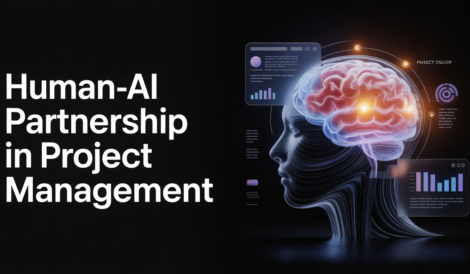
As we look deeper into 2026, the Personal AI OS will become the primary way we interact with the physical world through IoT and wearable tech. This shift isn’t just for personal use; it is revolutionizing the professional sphere as well. To see how these technologies are already changing the workplace, read our deep dive into the Human-AI Partnership in Project Management.
The “Human-Machine” collaboration is no longer about learning how to use software; it’s about the software learning how to be you. The future isn’t just about faster computers—it’s about more intelligent living.